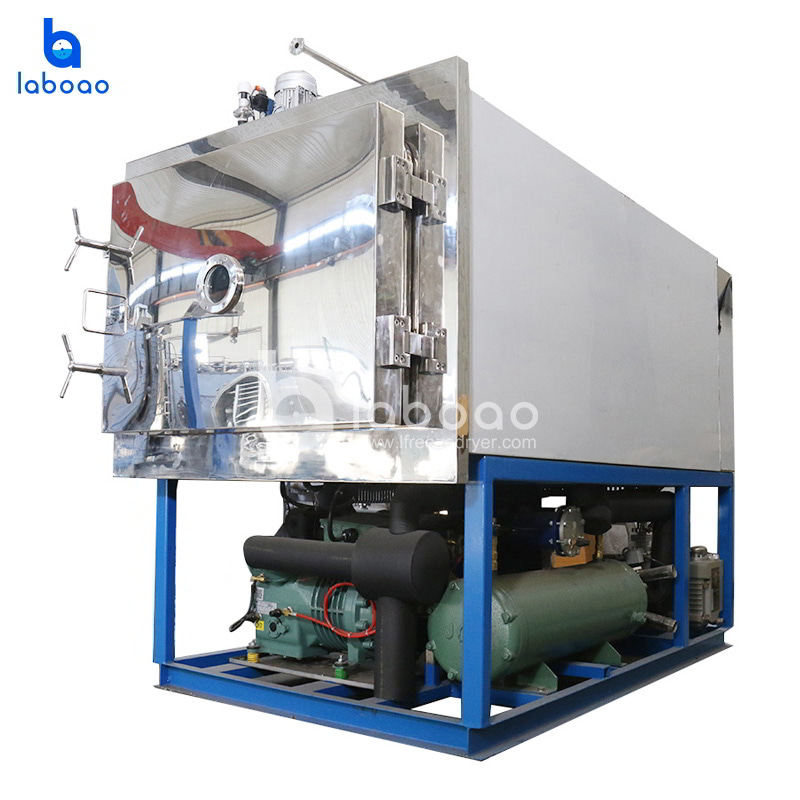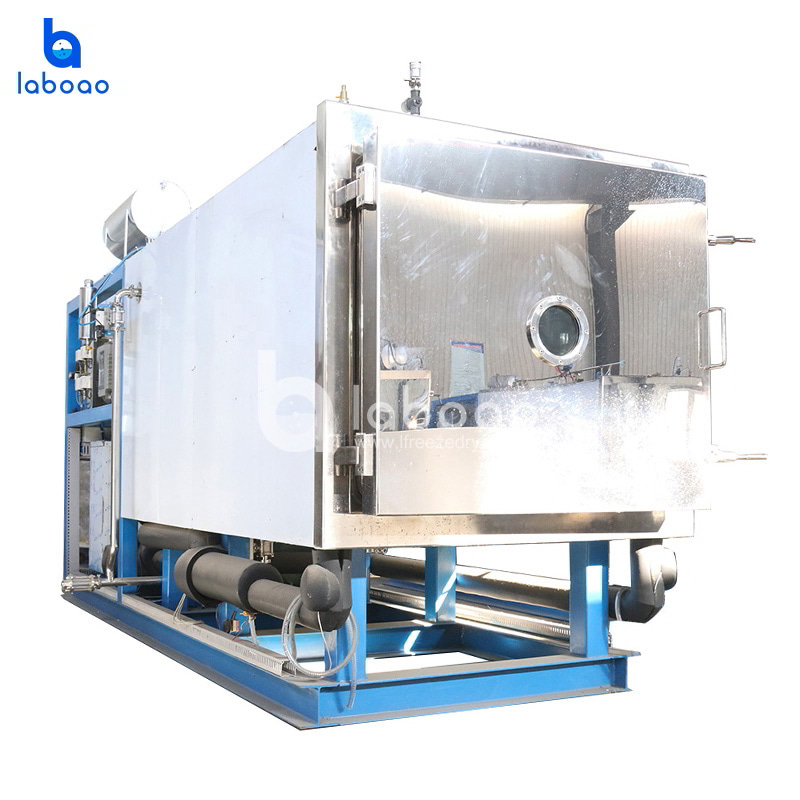
The heating phase in an in-situ electrically heated freeze dryer is one of the core steps in the freeze-drying (lyophilization) process; far from being a superfluous operation, it directly determines the quality, efficiency, and purity of the freeze-dried product. Its primary objective is to provide the necessary energy for the sublimation drying and desorption drying phases, thereby facilitating the efficient removal of moisture.
The prerequisite for freeze-drying is the freezing of the moisture within the material into solid ice. However, the sublimation of ice—the direct transition from solid to gas—requires the absorption of a significant amount of heat; this constitutes the fundamental rationale behind the heating process. During the sublimation phase, the in-situ electric heating mechanism slowly releases heat, transferring it to the frozen material. This provides sufficient latent heat of sublimation to facilitate the direct conversion of ice into water vapor, thereby preventing the ice from melting into liquid water—a critical safeguard, as melting would cause the material to collapse or clump, completely destroying the product's original morphology and biological activity.
Secondly, heating accelerates the rate of moisture removal and shortens the overall freeze-drying cycle. The rate of ice sublimation is directly correlated with the heat supply; judicious in-situ heating creates a stable temperature gradient within the material, encouraging the internal layers of ice to sublimate progressively. When combined with a vacuum environment, this process ensures that the resulting water vapor is rapidly captured by the condenser, thereby significantly boosting drying efficiency and reducing production costs.
Furthermore, heating is particularly crucial during the desorption drying phase. At this stage, the remaining moisture within the material exists in an adsorbed state; moderate heating is required to overcome the adsorption forces binding the moisture molecules to the material molecules, thereby facilitating the removal of residual moisture. This process reduces the product's moisture content to within acceptable standards, thereby extending its shelf life—a capability that is especially vital for the freeze-drying of high-value materials such as biological preparations and precision reagents.
It is important to note that the in-situ electric heating system employs a strategy of gradual temperature elevation and precise temperature control. This approach prevents localized overheating—which could lead to material denaturation or oxidation—and strikes an optimal balance between drying efficiency and product quality. This capability represents the core advantage of in-situ electric heating when compared to traditional heating methods.